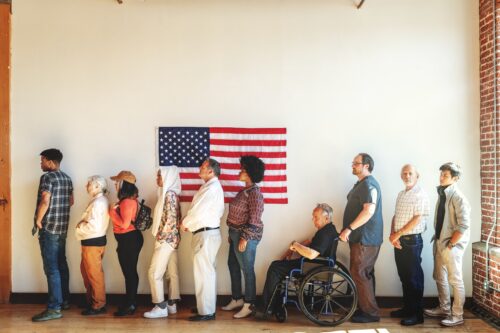
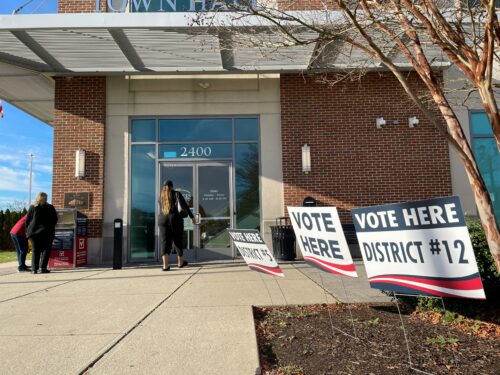
Volunteers come from all parts of the community. They are typically as diverse as the community in which they live, but share the common belief that voting is a right that everyone should be able to exercise with confidence.
Traditional volunteer
Technical volunteer
Setup equipment
Check-in voters
Monitor compliance
Provide in-person tech support at polling location
Assist with network security
Monitor social media
Network/website vulnerability scanning and remediation
Identification of rogue WiFi/RF signals
Physical security audit
Requirements for Vetting Volunteers
Register to vote in your jurisdiction
Basic background check
Professional reference
Available for 1-day training 6-8 weeks prior to Election Day
Sample Introduction Email to Local Election Official
Interested in Election Volunteering
I am voter in [insert jurisdiction] and I am concerned about what I am hearing in the news about the security of our elections. I would like to volunteer because I believe that I can help make a difference. I have [insert technical skills or IT background] that I believe can be useful on Election Day assisting voters and other poll workers. Depending on your needs, I may even be able to help out on more technical tasks before or after Election Day.
I would be happy to discuss traditional or more technical volunteer opportunities in-person or by phone. I can also provide my resume and professional reference to give you a better sense of my technical skills. [I know that some of my colleagues may also be interested in volunteering, especially if they can apply their technical skills.] I look forward to being able to volunteer in the upcoming election in any role that is most helpful.
Election Security Resources
Local election officials have a growing number of resources available to them. You can help by becoming familiar with those resources to find areas where local election officials may need help translating the technical jargon or executing the recommended procedures.
For more information, please contact William T. Adler, CDT Senior Technologist, at wadler@cdt.org, and Mallory Knodel, CDT Chief Technologist, at mknodel@cdt.org.
When the Algorithmic Odds are Not in your Favor: Algorithmic Poisoning and the 2026 U.S. Midterms
As the 2026 midterms approach, policymakers, election officials, and AI developers and deployers share responsibility for understanding how algorithmic poisoning operates and taking concrete steps to reduce its impact.
A Fractured Shield: Changes to Cyber Information Sharing Put Elections at Risk
Cyber information sharing connects election security partners, empowering cyber defenders, uplifting risks to be mitigated, and fostering a common understanding of the threats and security of the community.