CDT Joins Civil Liberties and Civil Rights Groups Urging DHS to End Collection of Social Media Identifiers and Content
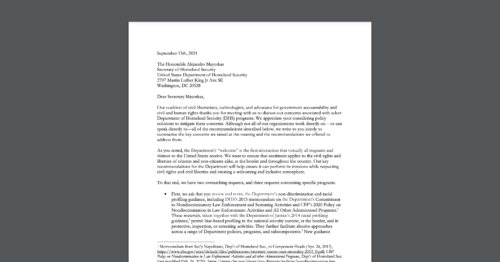
The Center for Democracy & Technology has joined 22 civil liberties and civil rights groups on a letter calling on the Director of the Department of Homeland Security (DHS), Alejandro Mayorkas, to end DHS’ collection of social media identifiers and social media content. We point out that to date, DHS has failed to show that its collection of social media information is necessary and is an efficient use of resources. CDT believes that using social media information to draw adverse inferences about a person’s eligibility for immigration relief such as political asylum, or for admission to the U.S., is risky. Statements made on social media can be misinterpreted, especially in the immigration context where those statements are made in multiple languages.
We also called into question many of the DHS intrusive surveillance activities involving third party vendors, including its purchase of access to vast data bases of cell phone location information. We also asked DHS to adopt a moratorium on its use of facial recognition to make high stakes immigration-related decisions.
The letter covers a wide range of other issues that we raised with Secretary Mayorkas in a July 23 meeting.
CDT-led Coalition Calls for Transparency for White House AI Framework
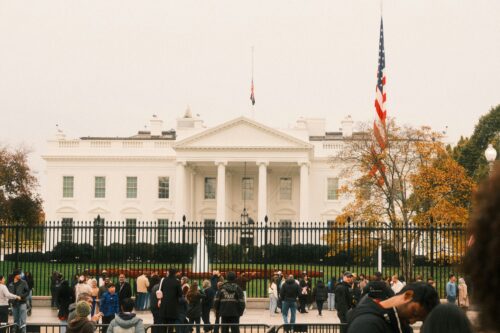
CDT and Americans for Responsible Innovation led a broad, bipartisan coalition of over two dozen civil society groups in calling on the White House to release its Framework for review of frontier AI models.
CDT Amicus Brief Calls on Fourth Circuit to Rein In Geofence Warrants
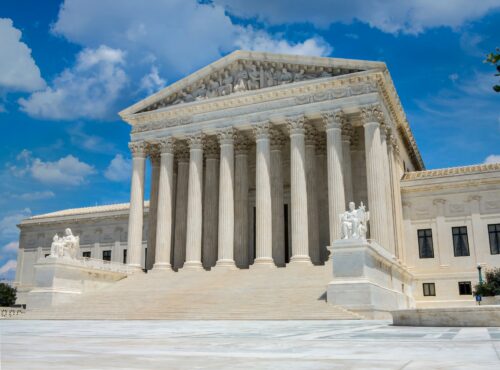
Earlier this year the Supreme Court ruled in Chatrie v United States that the Fourth Amendment protected all cell phone location information, which CDT lauded as a landmark decision, but sent the case back down to the Fourth Circuit to assess the propriety of the geofence warrant at issue.
CDT and Partners Post Floor Alert Opposing CA SB 1013 Automated License Plate Readers Bill
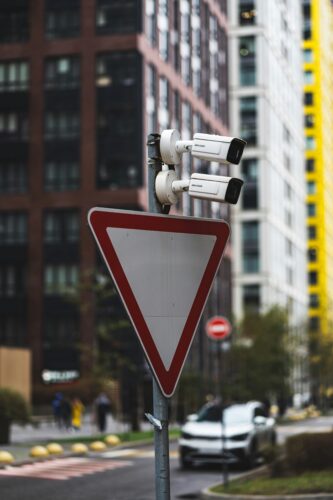
The best way to ensure that Automated License Plate Readers are not abused is to limit the retention of stored data and to keep loopholes to lawful process closed. CA SB 1013 is a step in the wrong direction, and we urge the California legislature to reject this approach.
British Public Oppose Secret Surveillance Powers and Want Strong Protections for Encrypted Communications
CDT released nationally representative polling data revealing that a the British public are broadly concerned about the security, privacy, and free speech consequences of allowing law enforcement to access encrypted communications.