The Center for Democracy and Technology has joined with civil society partners to oppose California’s SB 690, which would amend the California Invasion of Privacy Act (CIPA) to retroactively remove private rights of action against companies using pen registries to track individuals. While we appreciate the work done by the sponsors of the bill to narrow the scope of the bill, we are concerned that this roll-back is being expanded in a way that significantly removes the ability of Californians to ensure that they are not being spied upon. We urge the California legislature to work to keep any reforms narrowly targeted, and failing that, abandon this bill and maintain current protections.
The Center for Democracy and Technology has joined with civil society partners to oppose California’s SB 690, which would amend the California Invasion of Privacy Act (CIPA) to retroactively remove private rights of action against companies using pen registries to track individuals. While we appreciate the work done by the sponsors of the bill to narrow the scope of the bill, we are concerned that this roll-back is being expanded in a way that significantly removes the ability of Californians to ensure that they are not being spied upon. We urge the California legislature to work to keep any reforms narrowly targeted, and failing that, abandon this bill and maintain current protections.
CDT and Partners Post Floor Alert Opposing CA SB 1013 Automated License Plate Readers Bill
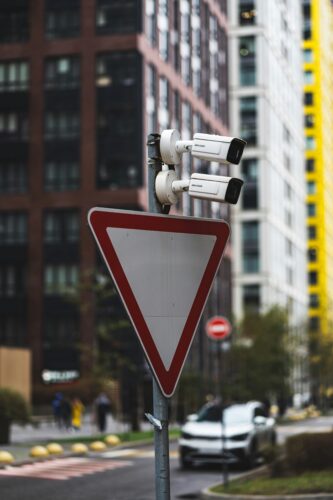
The best way to ensure that Automated License Plate Readers are not abused is to limit the retention of stored data and to keep loopholes to lawful process closed. CA SB 1013 is a step in the wrong direction, and we urge the California legislature to reject this approach.
The 2026 legislative session has shown a continued but shifted focus on the regulation of artificial intelligence (AI), with most bills — both introduced and passed — grappling with the rise and use of chatbots in a variety of contexts.
CDT and Partners Urge Passage of the California Location Privacy Act of 2025 (AB 322)
Location data is particularly sensitive, and when collected across time it can reveal a broad range of intrusive insights such as medical conditions, sexual orientation, political activities, and religious beliefs.
How Policymakers Can Address AI Auditing and Assessment Requirements
As more state policymakers consider third-party AI auditing or assessment requirements, these policies face important challenges to their effectiveness.