
Time: 10:00 am -5:00 pm CET
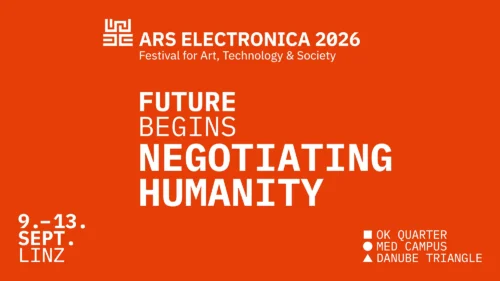
Date: September 9-13, 2026
From September 9 to 13, 2026, Linz will once again become a hotspot for the international media art scene. Exhibitions, performances, concerts and conferences will be held at festival locations throughout the city.
Although most people know Ars Electronica as a festival or museum, it is much more than that. Ars Electronica is a creative ecosystem composed of several elements that inspire and strengthen each other.
This networked structure was not conceived in a moment of genius. It has developed over decades—driven by global developments and the constant effort to find new and meaningful strategies for dealing with the future.
Ars Electronica will therefore continue to evolve. On the one hand, to explore and understand the ongoing digital transformation of our world in the best possible way. On the other hand, to bring together people and communities from all over the world and from all possible fields who want to help shape the future.
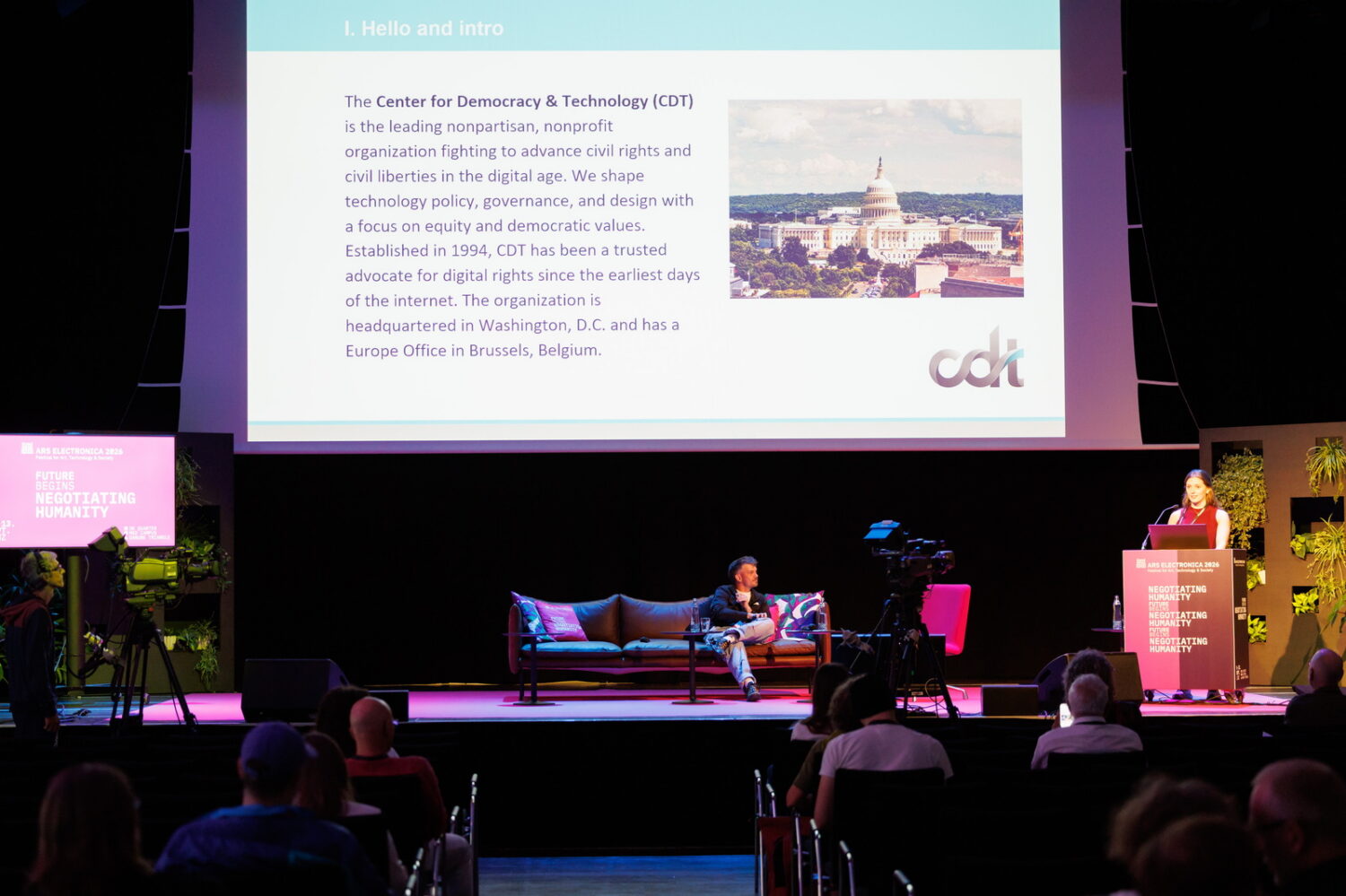
CDT Featured Session:
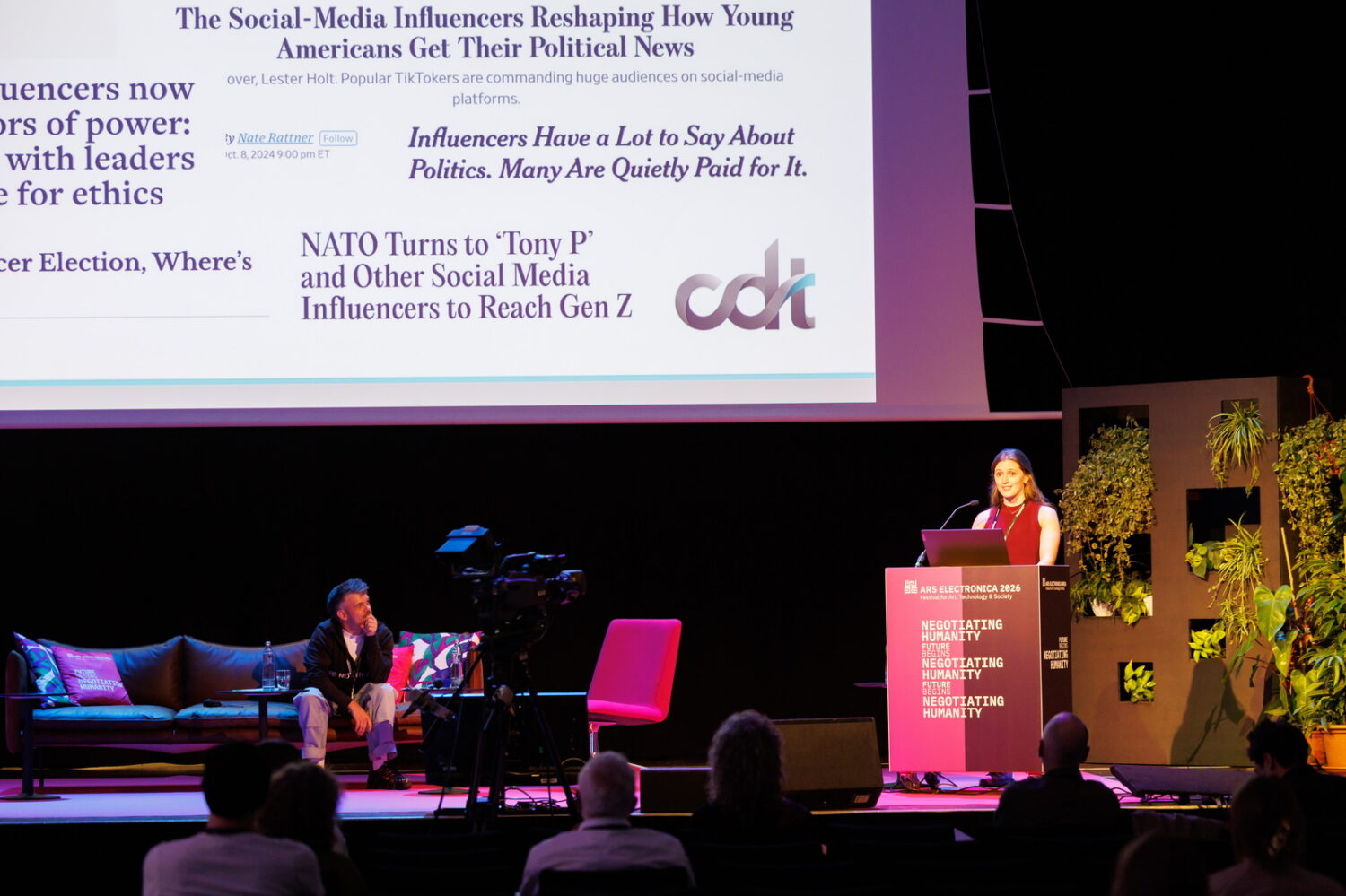
Why does outrage spread so easily online—and how does it turn into political influence? This conversation brings together psychological insights and a closer look at the growing influence of social media creators in shaping political debate.
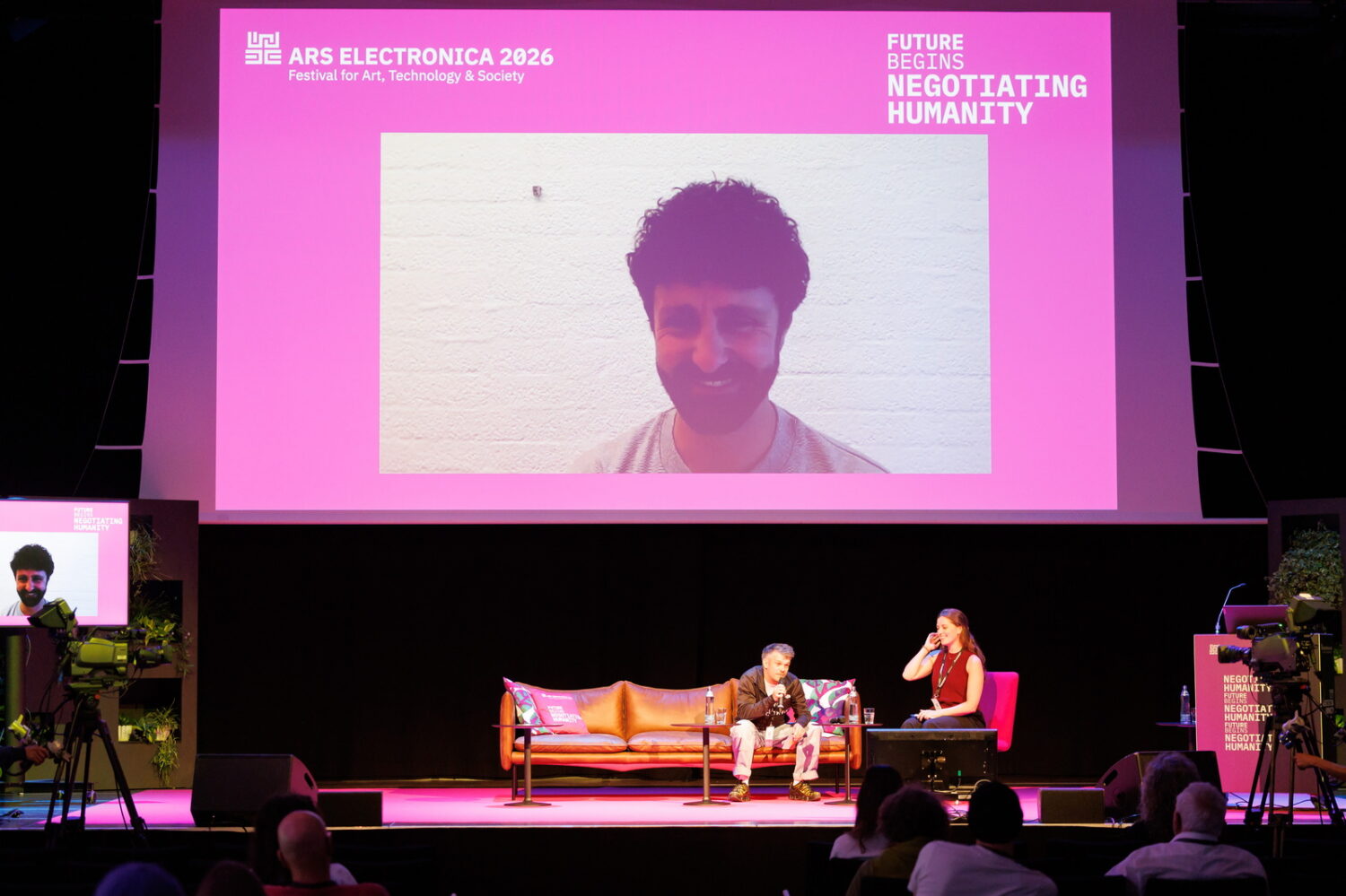
Jon Roozenbeek explores the psychological and social mechanisms that make people respond to conflict, outrage, and group identities, and how digital environments can amplify these tendencies. He looks at why polarization persists and what happens when human psychology meets platforms built around attention and engagement.
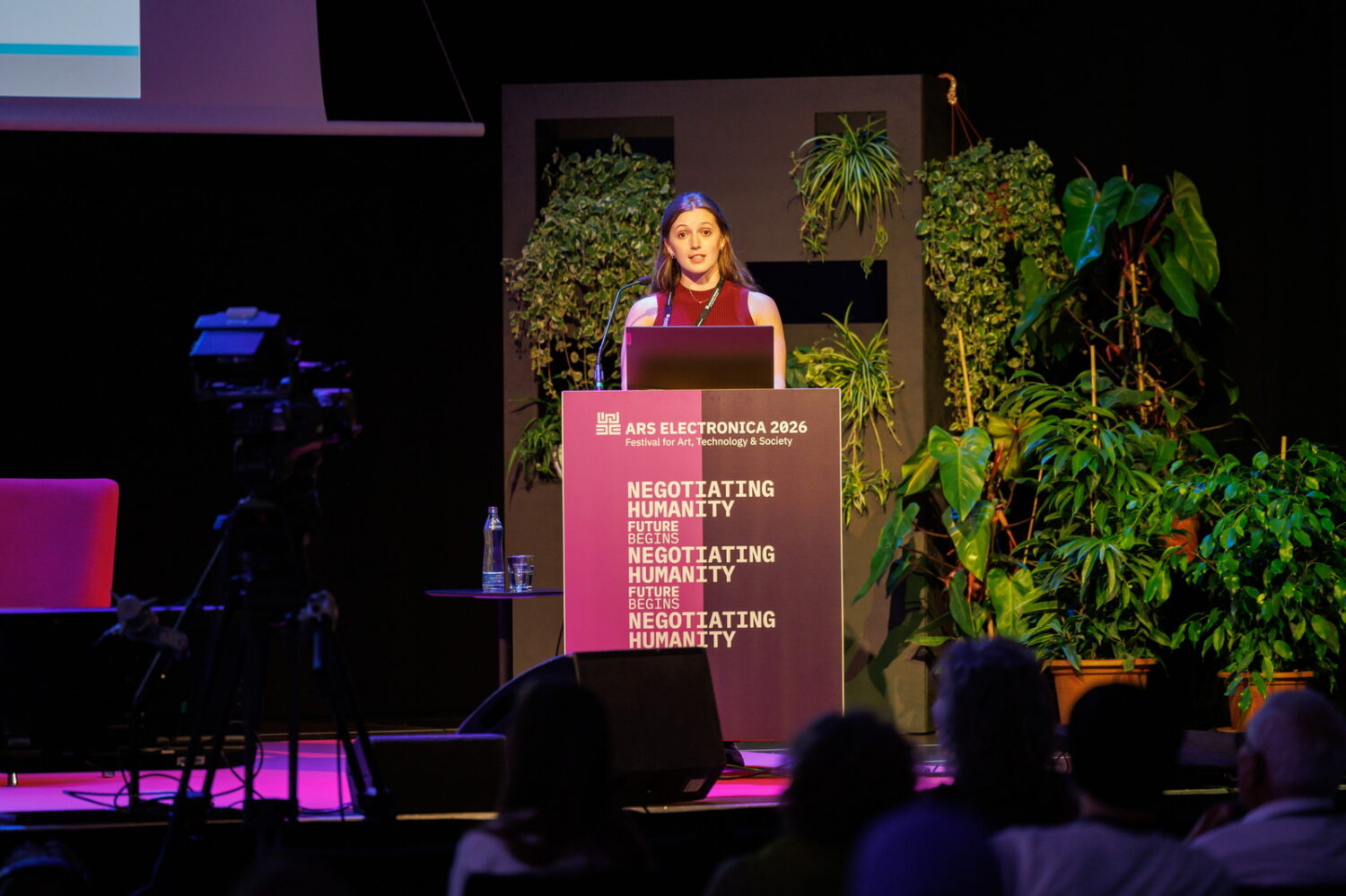
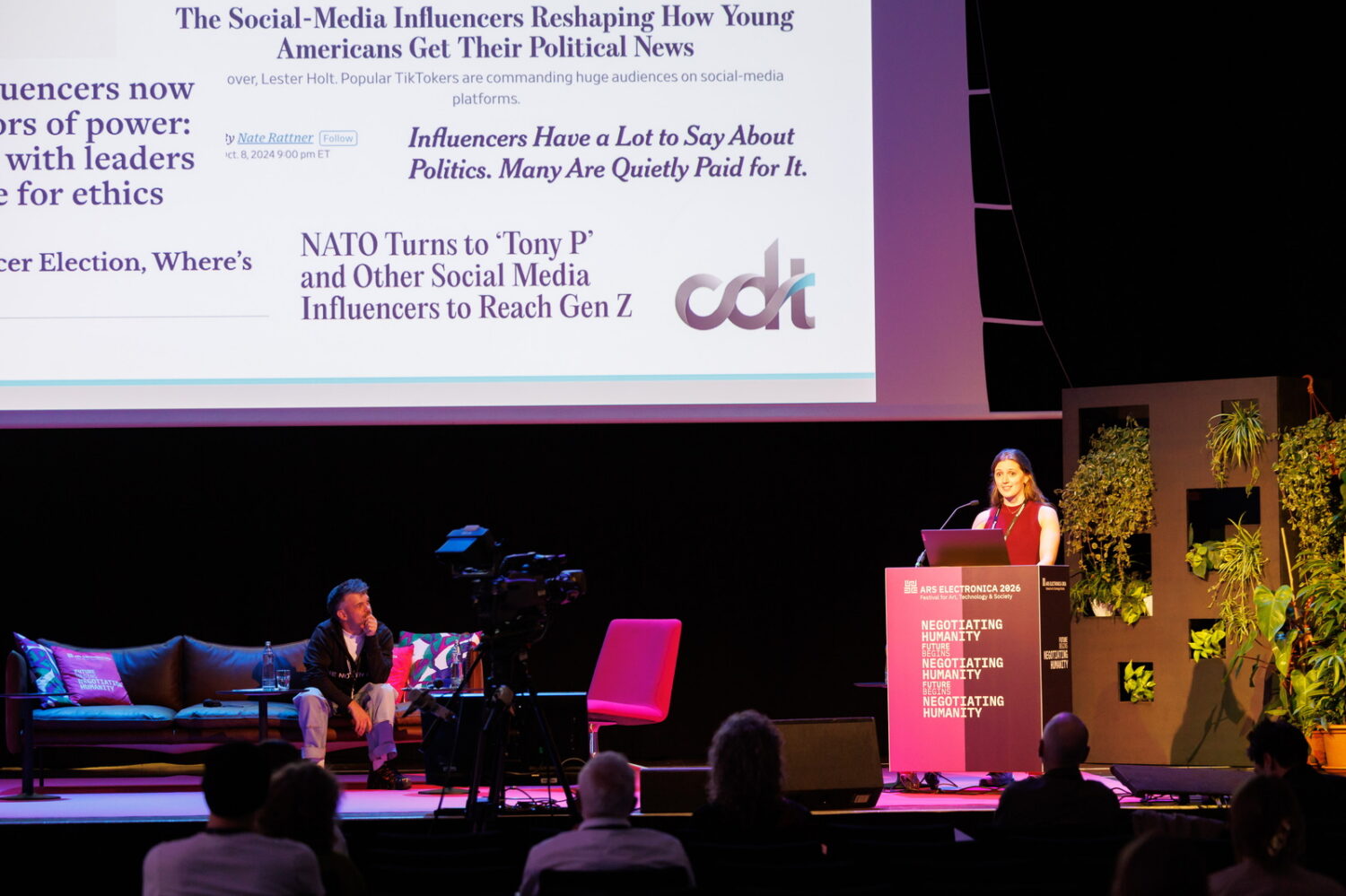
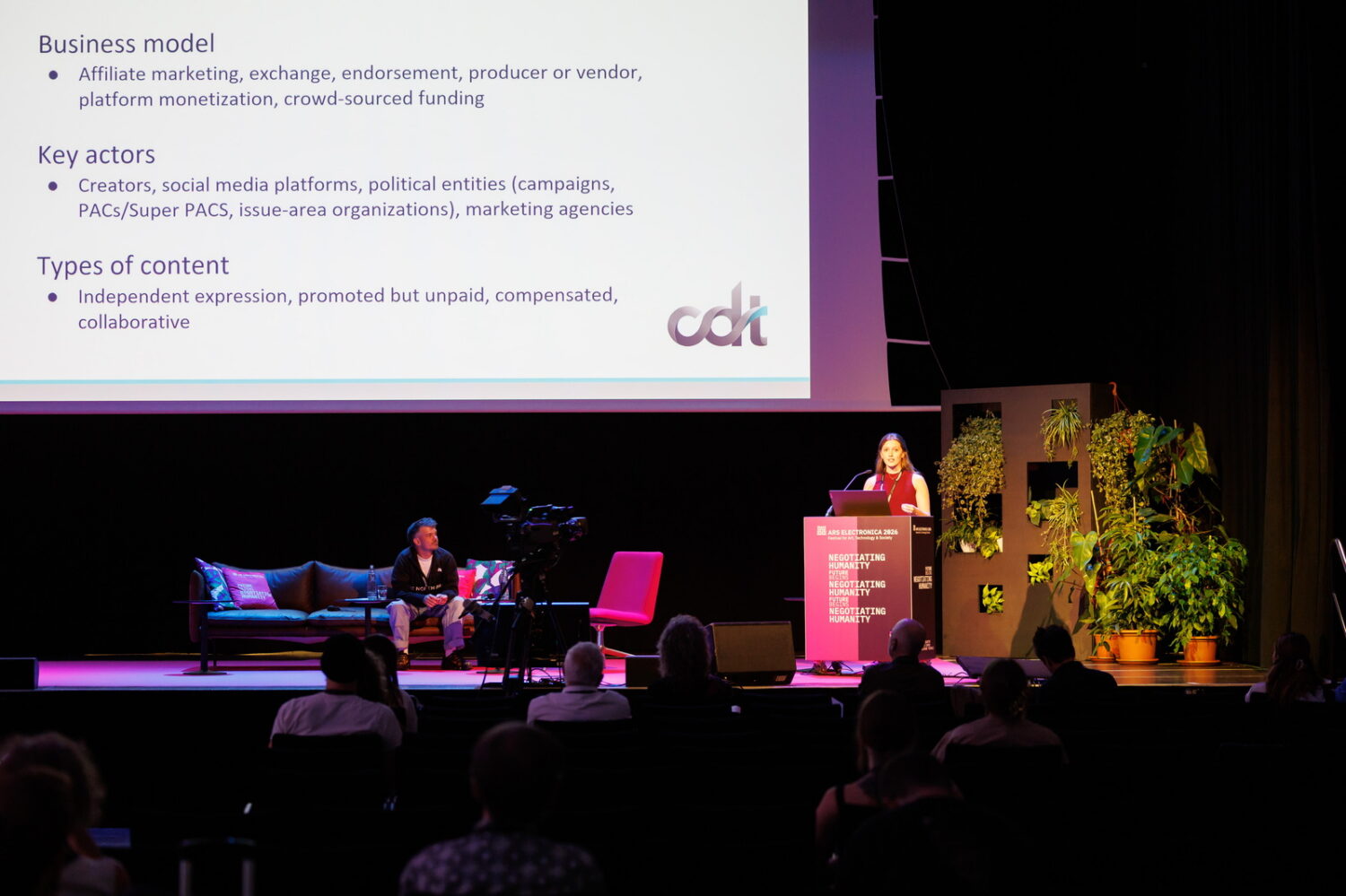
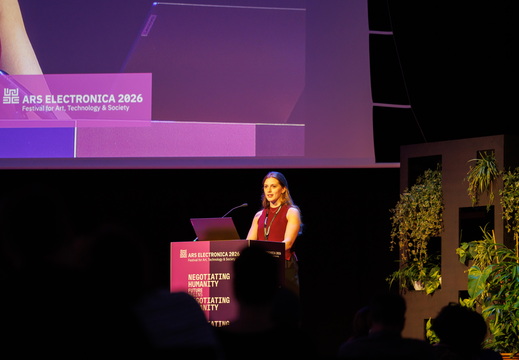
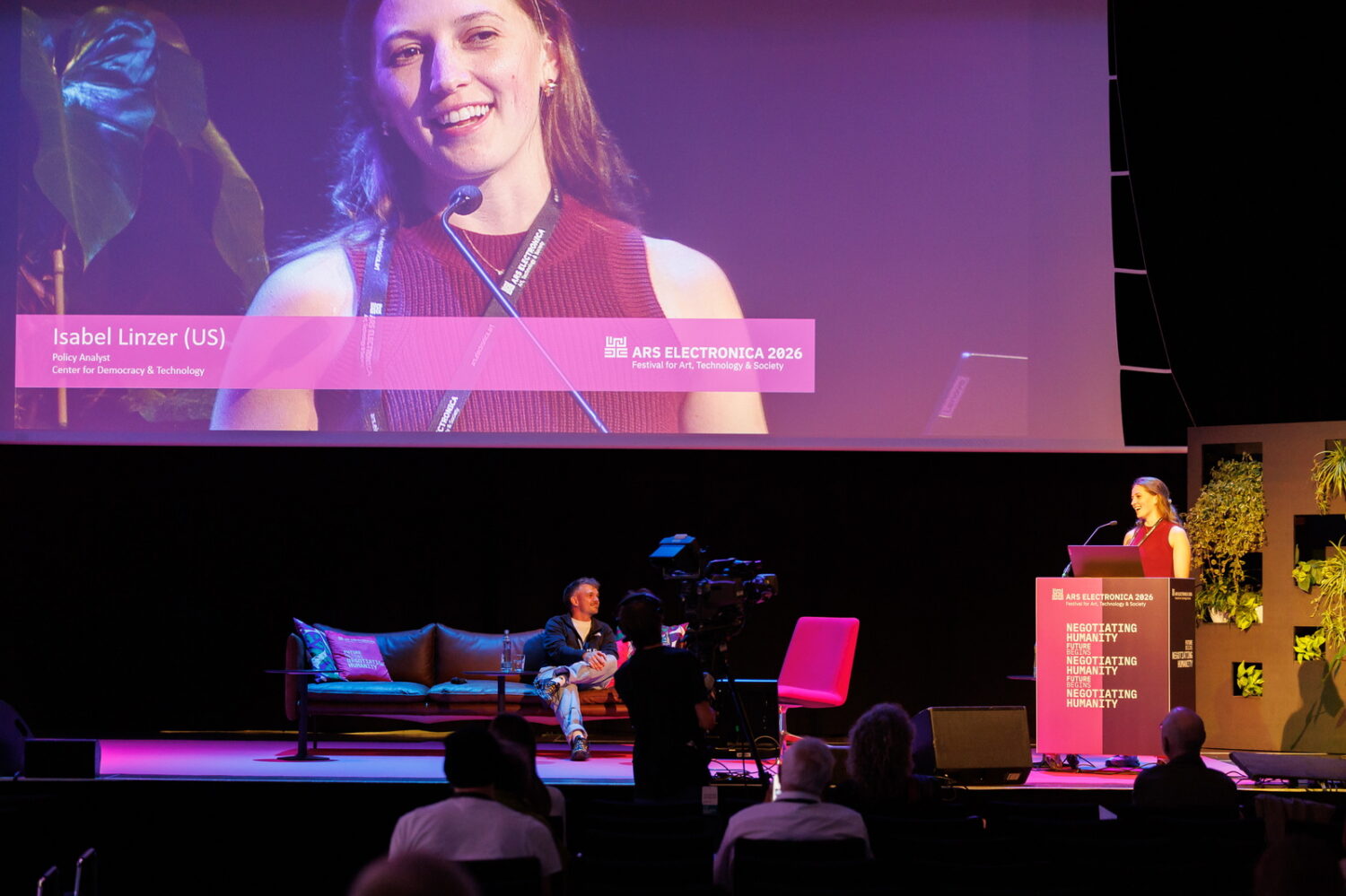
Isabel Linzer turns to the rise of political content creators, who increasingly move between the roles of journalist, activist, campaign proxy, advertiser, or everyday influencer. As political organizations work with creators to reach specific communities through voices their audiences already trust, creators have become an increasingly important source of political information. But this growing influence also raises key democratic questions around election integrity, free expression, transparency, and covert influence.
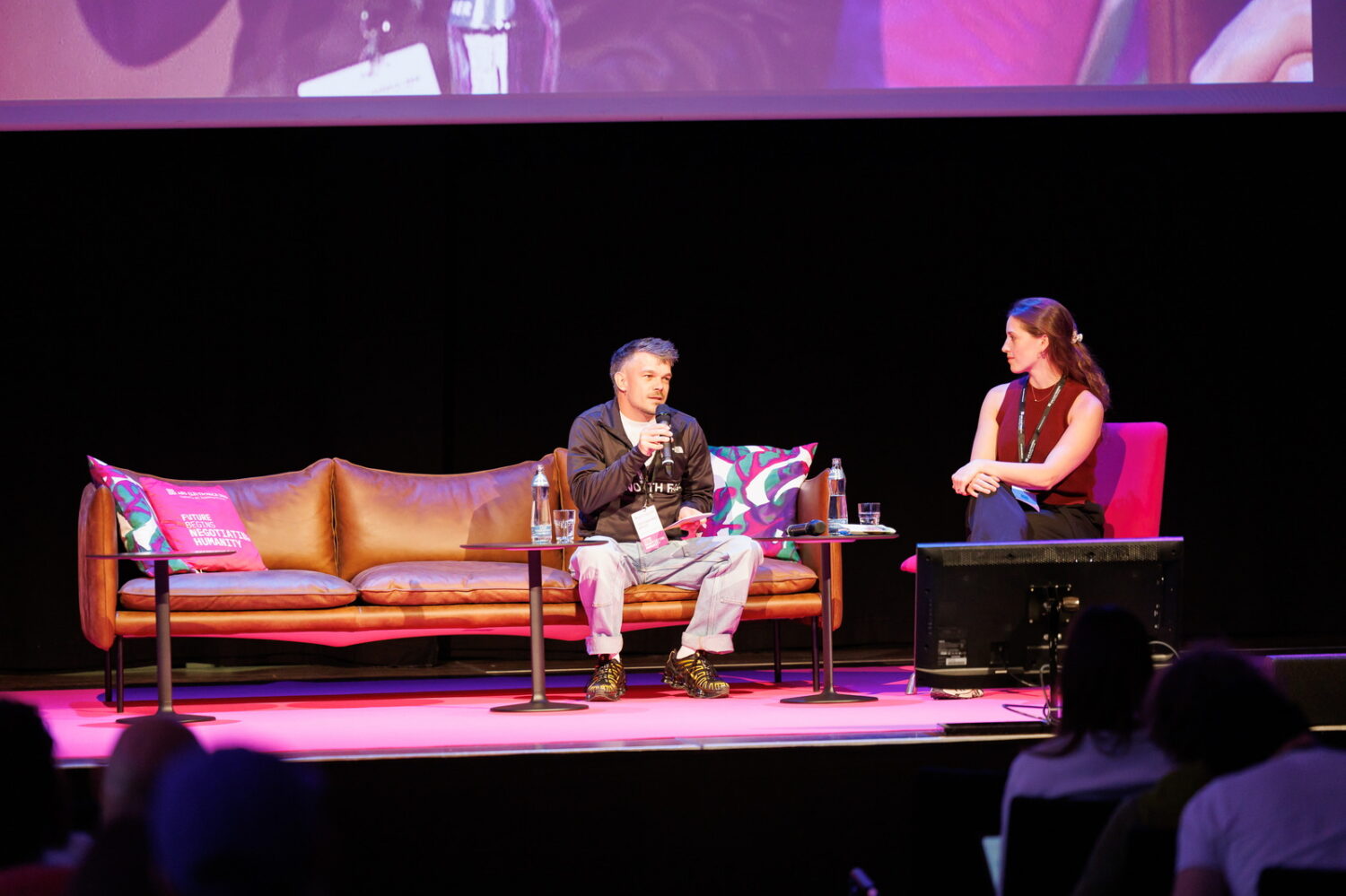
Moderated by Alexander Sängerlaub, the conversation brings these perspectives together to examine how psychology, platform dynamics, and the creator economy interact—and what it would take to create digital spaces where political influence can strengthen democratic debate rather than feed polarization.
CDT Featured Speaker:
- Isabel Linzer, Policy Analyst