CDT works to ensure that digital copyright policy works for everyone, respecting the rights of creators while still facilitating innovation, free expression, and the free flow of ideas.
Related Topics
Copyright law was built for a world of books and records. Today it has to work for remix culture, digital libraries, and AI — without letting any of those undermine creators’ rights or the free flow of information online.
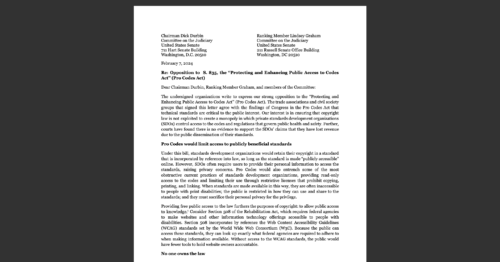
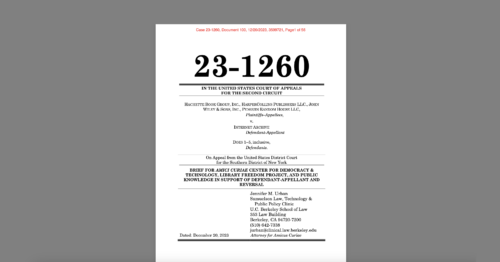
CDT works for a copyright system that’s balanced by design: strong enough to protect creators, flexible enough to preserve innovation, free expression, and public access to knowledge. We’ve fought efforts to lock ordinary safety codes and building standards behind copyright paywalls, arguing that people can’t be expected to follow laws they aren’t allowed to read for free. We’ve defended libraries’ ability to lend digital books the way they’ve always lent physical ones. And we’ve pushed back on threats to the independence and public accountability of the U.S. Copyright Office.
Good copyright policy shouldn’t force a choice between protecting creators and protecting the public. CDT works to make sure it doesn’t have to.