CDT Launches Online Free Speech Resource for Artists
CDT is pleased to announce the launch of OnlineArtRights.org, a new website dedicated to artists’ free speech rights online. Sponsored by a generous grant from the Andy Warhol Foundation for the Visual Arts, OnlineArtRights.org provides information and resources covering the wide range of free speech issues – and First Amendment protections – artists may encounter when they post their work on the web. CDT also invites interested artists to submit their work for possible display on the site. Artists can find more information about submitting their work here.
The site is divided into three categories that are designed to respond to different questions. The Issues section of the site walks through the laws surrounding different types of content that might appear in an artist’s work, covering everything from sex and violence to satire and remix. If you’re looking for a quick run-down of the key points, check out the What You Need to Know page for each issue. The Basics provides a complete introduction to the topic, while Laws, Cases, and Other Resources is where you’ll find a full legal analysis of each issue, with links to key laws and cases. In the Roles section, we highlight some considerations that artists and content hosts should make when posting work, and the Risks section outlines the liabilities an artist might face, both in the U.S. and abroad, for work they share via the Internet.
Fortunately for artists in the U.S., the First Amendment’s protections for art and other speech are just as strong online as they are offline, and the vast majority of creative expression accessible online is unquestionably protected. But for artists who are facing legal challenges, aren’t sure whether their work crosses the legal line, or are just curious about their rights and the restrictions that the government and others might enforce against their works, OnlineArtRights.org can help answer those questions.
On September 15, 2026, the Center for Democracy & Technology and Electronic Frontier Foundation filed an amicus brief along with the Wikimedia Foundation in Meta Platforms v. Bonta, challenging California’s SB 976.
Not All Guardrails Are Created Equal: Comparing Content Safety and Copyright Filtering
As courts and policymakers work through questions about chatbot liability, they should be wary of analogies that flatten meaningful technical differences. Copyright filtering and safety intervention share real challenges around ambiguity and evasion, but they diverge in what each control must assess, how each manifests over the course of a conversation, and how much can be verified from the outside.
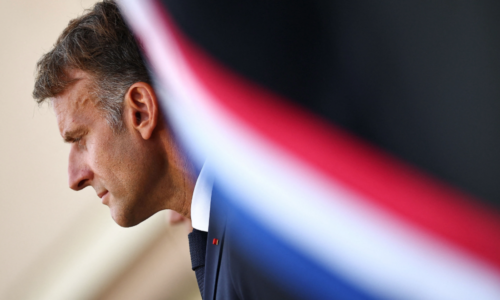
Op-Ed: France’s Constitutional Council Ruling Tests the Limits of Social Media Bans
Read our analysis the legal and policy significance of the Constitutional Council’s decision on ongoing social media age restriction and age assurance debates ahead of the most-anticipated EU-wide approach on child online safety due by December 2026.
The brief explains that Section 230’s liability protections are essential to enable free expression online and they extend to the use of automated systems to engage to rank and order content as part of traditional publishing activities.