Collection of data on sexual orientation and gender identity (SOGI) by government entities can be a powerful tool to understand the experiences, needs, and disparities affecting LGBTQ+ populations. When gathered, stored, and used responsibly, high-quality SOGI data can inform evidence-based policymaking, guide resource allocation, strengthen program accountability, and support civil rights enforcement.
As federal efforts to collect LGBTQ-inclusive data through surveys and administrative systems are scaled back, state and local governments may become increasingly important sources of government data about LGBTQ+ communities. Realizing the benefits of inclusive data depends on SOGI information being governed by strong legal, ethical, and privacy protections. Without robust data governance frameworks, demographic data—including SOGI information—are vulnerable to misuse or unauthorized disclosure that can harm the very communities they are intended to serve.
This report is intended to support state stakeholders at different stages of SOGI data collection in making sound decisions about how demographic data should— and should not be—collected, used, and shared. To better understand this environment, the report:
Maps the current landscape of state-level SOGI data collection,
Assesses emerging risks of data misuse in the present policy environment,
Identifies promising governance policies and practices for stakeholders committed to ethical, responsible data use as a foundation for advancing LGBTQ+ equity, and
Makes recommendations for how states can continue to support LGBTQ-inclusive state surveys and needs assessment, and adopt legislative and administrative strategies to bolster SOGI data governance.
The Privacy Paradox: How Government Data Has Become Less Private and Less Useful
Providing ready access to information collected and maintained by the government promotes accountability, innovation, and research, making transparency a core responsibility of serving as a steward of the public’s data. Public agencies must also safeguard sensitive information when making data publicly available.
Defending State Data: Lessons from California v. USDA
As the federal government increasingly seeks access to state administrative data, policymakers should consider not only legal authority and privacy implications, but also the practical effects on public confidence, program effectiveness, and states’ ability to fulfill their obligations to residents.
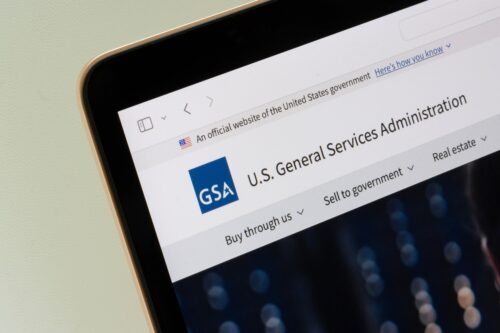
CDT, EFF, EPIC, and Upturn Submit Comments on GSA’s Updated Draft AI Terms and Conditions for Federal Contracts
Today, the Center for Democracy & Technology and allies submitted comments to the General Services Administration (GSA) in response to the request for comment regarding their updated draft AI Terms and Conditions for federal solicitations and contracts.
Bias at Scale: Understanding AI’s Impact on Student Achievement and Opportunity Gaps
Schools have an opportunity and responsibility to ensure that new technologies support, rather than undermine, their longstanding goal of expanding opportunity.